Discovery / Animals / Birds
Short Answer
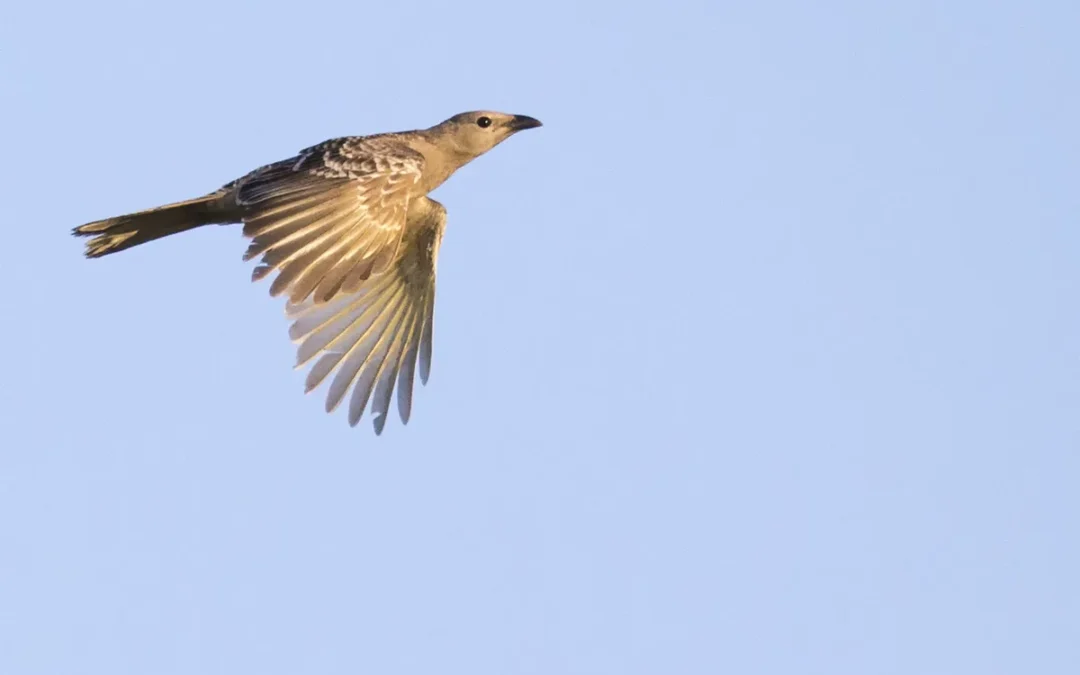
During the mating season, the bowerbird arranges a special area with colorful stones, shells, and small objects. In some species, this arrangement is not only about “looking beautiful”; it is linked to a perspective effect that can make objects look more balanced and striking from a particular viewpoint. Research shows that, especially in great bowerbirds, the size ordering of objects can create a visual illusion.
This mechanism makes us think: Sometimes even the combination of very small stones, shells, and angle can produce a surprising visual order. Up close, in nature, not only color matters; measure, placement, and perception matter too.
Real observation video: you can watch how the bowerbird builds its display court and arranges objects to impress the female.
What Are We Observing?

Male bowerbirds living around Australia and New Guinea build special structures called “bowers” to impress females. This structure is not a nest; it is more like a display area. Among the objects the bird collects may be stones, bones, shells, fruits, flower parts, and small colorful objects from human surroundings.
At first glance, this behavior may look like simple decoration. But some studies, especially on the great bowerbird, have shown that the bird does not arrange objects randomly; it creates a size gradient by placing smaller objects in front and larger objects behind. When the female bird looks from a particular angle, this arrangement can make the objects appear more orderly and impressive than they are.
The important point here is not to assign the bird the role of a “conscious designer like an artist.” What is scientifically observed is the behavior pattern and the effect this pattern creates on visual perception.
The Science
A 2010 Current Biology study showed that great bowerbirds create an arrangement similar to forced perspective in the bower court. When researchers disrupted the layout of the objects, they observed that the birds tried to rebuild it within a short time. This suggests that the behavior is more systematic than forming a random pile.
A 2012 Science study suggested that this visual illusion may be linked to mating success. Another PNAS study showed that bower structure and perspective quality differ between individuals, and that some birds can restore a disrupted layout more consistently.
At the center of the mechanism are three elements: viewpoint, object size, and arrangement. When small objects are placed in front and large objects behind, the area can appear more homogeneous and the sense of depth more controlled to an eye looking from a specific point. The “forced perspective” technique in human photography also rests on a similar principle of perception: what matters is not only the real size of objects, but the angle and distance from which they appear to the eye.
The “Wow” Moment
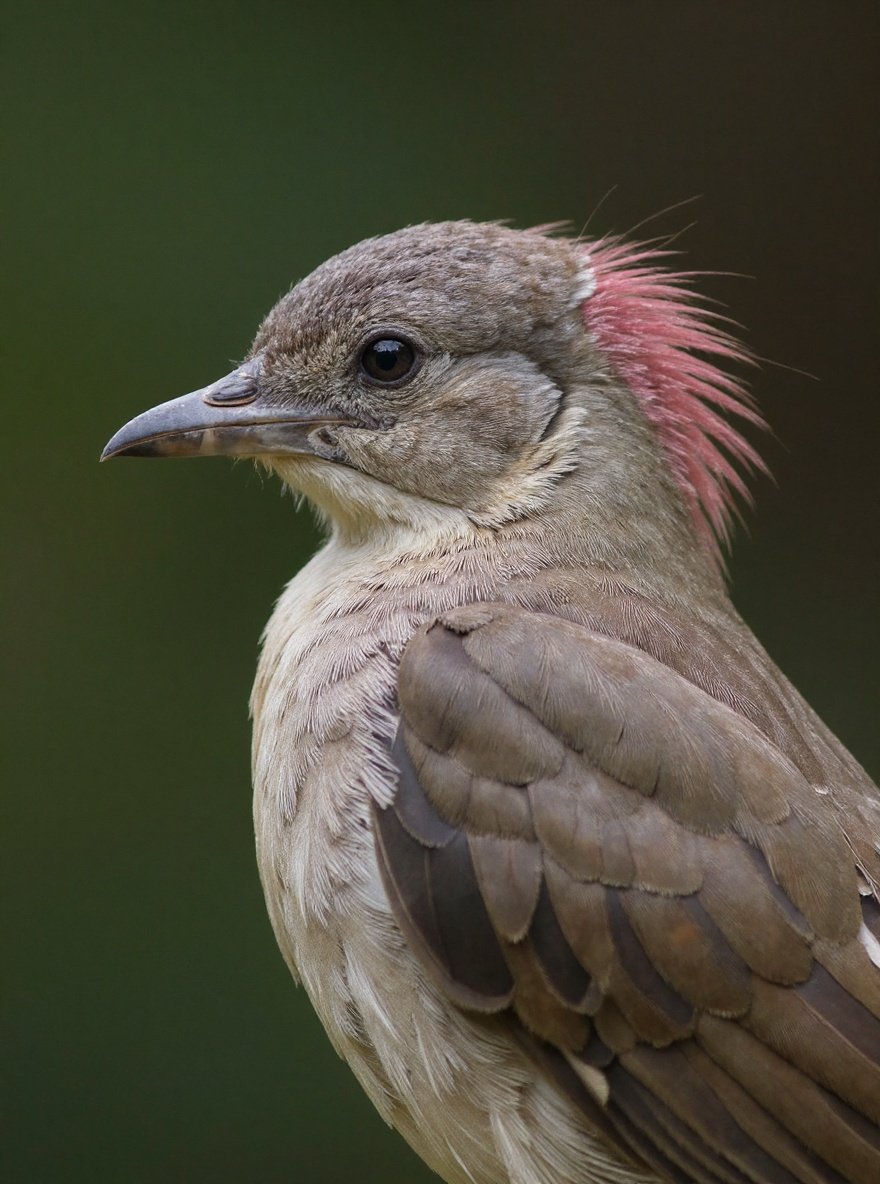
The “wow” point is this: when the position of a few stones and shells changes, the perception of the whole scene can change. In other words, the result is determined not only by colorful objects, but also by the position of the objects relative to one another and the angle of the observing eye.
Humans use perspective effects consciously in photography, cinema, architecture, and stage design. Making a distant object appear large and a nearby one small, making a narrow area feel deeper, or making a scene more striking from a certain angle all relate to this arrangement of perception.
The arrangement observed in the bowerbird also reminds us how sensitive visual perception is. What we see is not only the object itself; it is a perception formed together with light, angle, distance, and surroundings.
Inspired by Nature
This subject is especially related to visual design, stage arrangement, photography, and architectural perspective in human technology and design. It would not be correct to say here that “humans took this technique directly from the bowerbird.” A safer expression is this: the principle observed in the bowerbird recalls the principles of perspective and perception management that humans use in visual design.
Photographers can make a small object look giant with forced perspective. Architects can make a corridor feel longer or a space feel wider. Designers can guide where the eye looks through color, contrast, and arrangement.
The bowerbird example shows that for visual impact, we need to look not only at the object, but also at where the object stands. In design, it is often not a single object that speaks, but the whole arrangement.
Up Close
Imagine a table: if pens, stones, and colorful beads are thrown onto it randomly, it only looks messy. But if you place the small ones in front, the large ones behind, and similar colors in a certain rhythm, the same table suddenly begins to look orderly. The objects do not change; what changes is the placement.
There is a similar visual order in the bowerbird’s display area. When viewed from a particular point, the size differences between objects can be perceived as more balanced. This shows us the difference between “seeing” and “looking carefully.”
A Window for Reflection
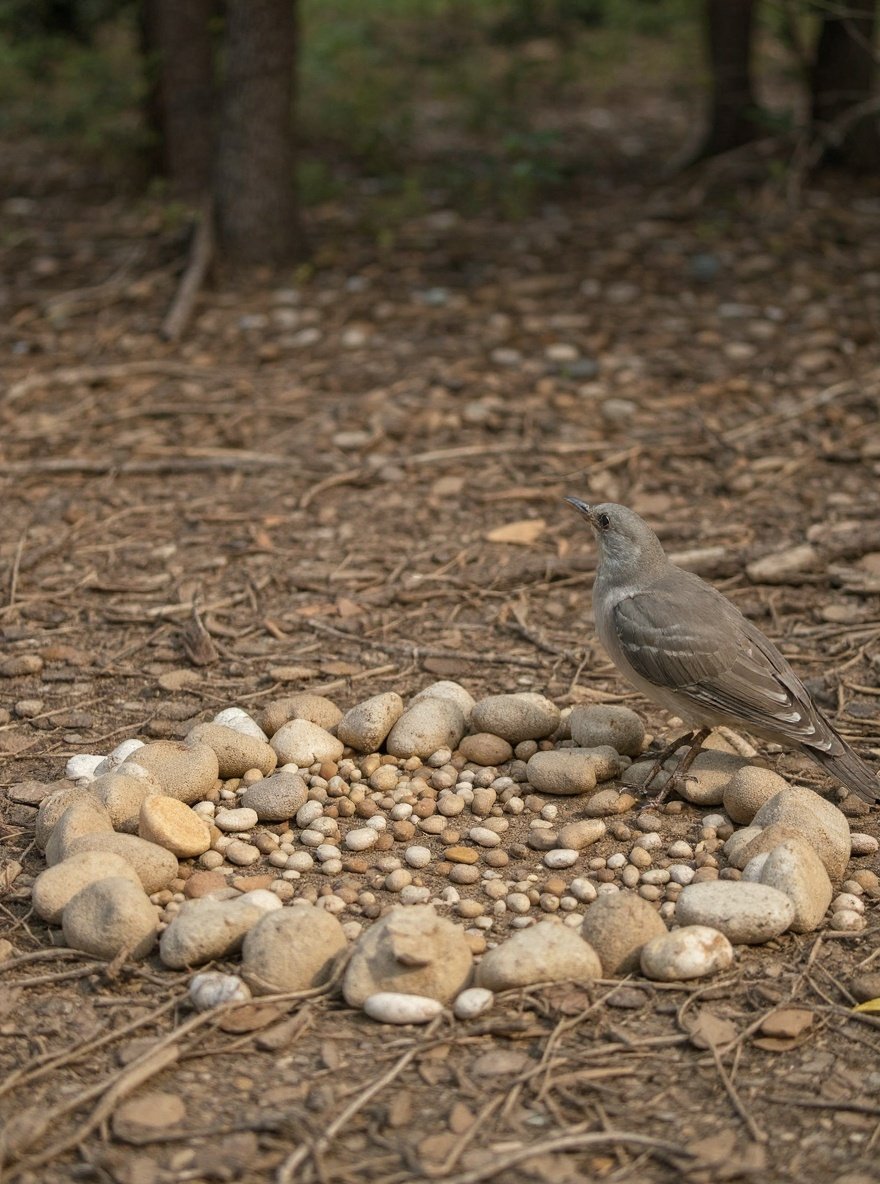
This observation opens a door to the idea of measure in creation without attributing independent power or consciousness to created beings. The effect that emerges from the combination of small stones, colors, and angles reminds us that order in the universe can be seen not only in great systems, but also in tiny details.
From the perspective of Islamic reflection, the important thing here is to direct wonder not to the bird itself, but to Allah, who gave it such a behavior pattern and gave its surroundings such an order of perception. If even the placement of a few objects can give rise to visual subtlety, then a person should also free their own gaze from haste and look carefully.
What It Tells Us Today
This subject tells us this: sometimes the beauty of something is not in its separate parts, but in the way the parts stand together. In science and in life, placing details in the right position makes it easier to understand the whole.
For a young reader, the lesson is simple: curiosity is not only asking “what is this?” It is also asking, “why does it stand like this, why does it look like this, and what changes when I look from which angle?” A careful gaze deepens even things that seem ordinary.
This is exactly where DuaMio Discovery begins: understanding scientific observation through reliable sources, then thinking more carefully about creation through the window of wonder that this observation opens in the human being. If even the small objects collected by a bird remind us of the importance of perspective, then we should look at the universe not carelessly, but attentively.
Discover, marvel, remember the Creator.
Sources
- https://commons.wikimedia.org/wiki/File:Great_bower_bird_1_(14813144611).jpg — Real source photograph used for the hero image (Wikimedia Commons).
- https://pubmed.ncbi.nlm.nih.gov/20832314/ — Forced perspective arrangement in great bowerbird behavior.
- https://pubmed.ncbi.nlm.nih.gov/22267812/ — The connection between visual illusion and mating success.
- https://www.pnas.org/doi/10.1073/pnas.1208350109 — The relationship between bower structure, quality, and restoration behavior.
- https://pubmed.ncbi.nlm.nih.gov/28280568/ — The construction process of bowerbird perspective structure.
- https://www.adobe.com/creativecloud/photography/discover/forced-perspective.html — The forced perspective principle in human visual design.
Coming soon
Listen to these topics in the app, track your progress.
In the DuaMio app you’ll listen to every topic — not to memorize, but to comprehend.
Image note: The hero image of this article is a real source photograph. The three in-article images were generated with AI from that real reference to illustrate the subject more clearly.
Content note: This article was compiled with AI assistance based on reliable scientific sources and editorially reviewed before publication.