Many people hear Islamic inheritance law in a single sentence: “Two shares for the man, one for the woman.” Left on its own, that sentence can sound as if Islam sees the woman as half a person. But when the matter is read together with the Qur’an’s whole inheritance system, the family’s internal financial responsibilities, the dower (mahr), maintenance (nafaqa), and the transition from the pre-Islamic age to Islam, a very different picture emerges.
Here the DuaMio Wisdom approach does this: first it clarifies the ruling, then it shows the context, then it carries the wisdom into language today’s reader can understand.
Short answer: not worth, but a balance of obligation
This ruling is not about a woman being worthless; it is about the balance of financial obligation. Moreover, according to the sources, there are more than thirty scenarios in the Qur’an in which the woman receives a share equal to or greater than the man’s. The “two-to-one” ratio is not an absolute rule that applies in every case.
In Islam, a person’s worth is not measured by the amount inherited. Woman and man alike are addressed before God in terms of servitude, piety, and responsibility. The basic reason for the difference in inheritance is this: in Islamic law the family’s livelihood is placed on the man, not the woman. The man gives a dower when he marries; he is responsible for the maintenance of the home, the wife, the children, and, when needed, relatives in need. The woman is not obliged to spend her own wealth on the household. So the larger share the man receives is not his personal superiority, but the counterpart of the financial responsibilities placed on him.
The ruling layer: the “two-to-one” ratio and An-Nisa 11
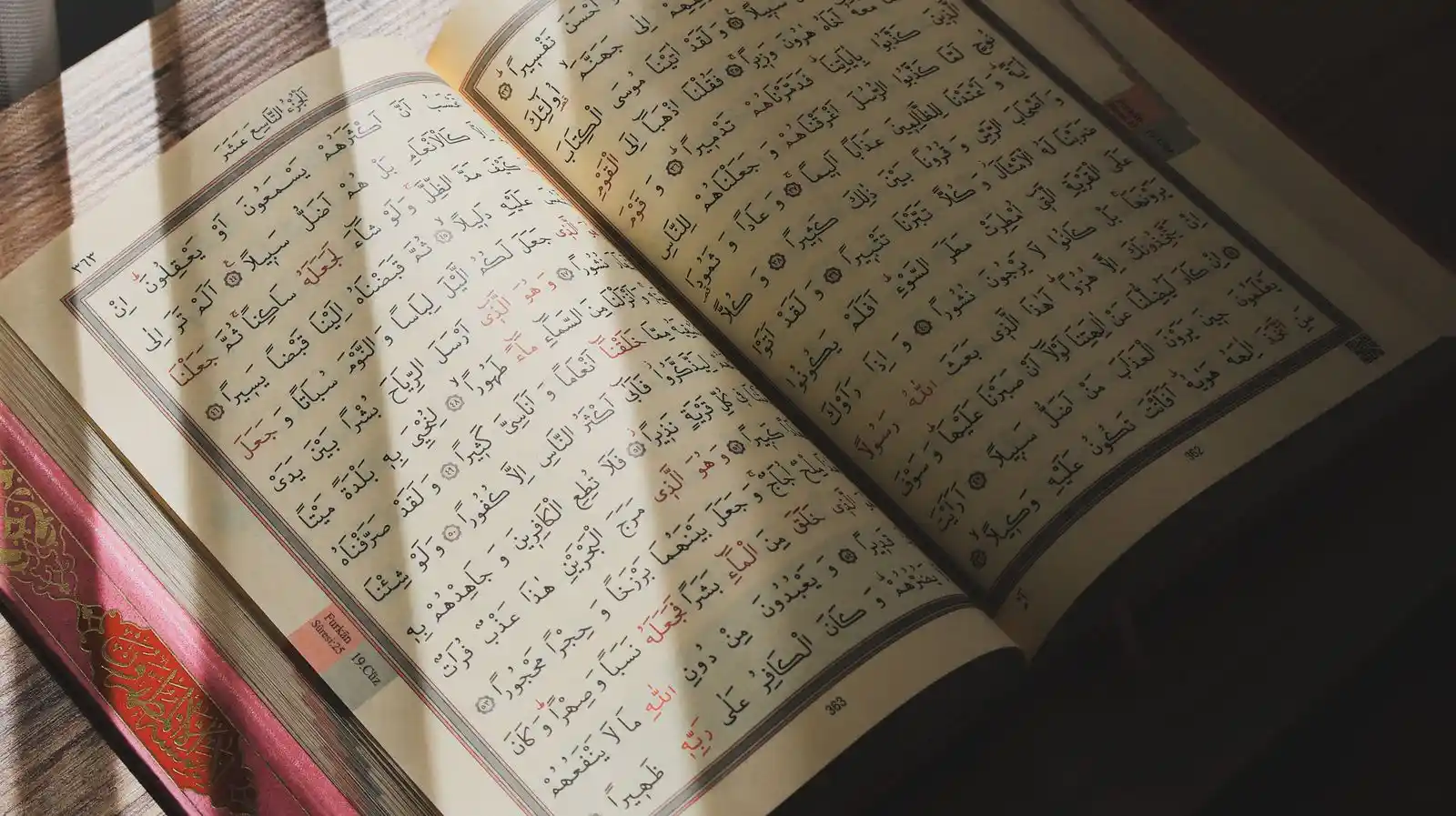
In Islamic inheritance law, that children are apportioned two shares to the male and one to the female is stated clearly in Surah An-Nisa, verse 11 (4:11):
“Allah instructs you concerning your children: for the male, what is equal to the share of two females. But if there are [only] daughters, two or more, for them is two thirds of one’s estate. And if there is only one, for her is half. And for one’s parents, to each one of them is a sixth of his estate if he left children. But if he had no children and the parents [alone] inherit from him, then for his mother is one third. And if he had brothers [and/or sisters], for his mother is a sixth…”
— From Surah An-Nisa, verse 11 (Sahih International — quran.com)
The verse itself shows that this does not mean “in the Qur’an the woman always receives half of the man.” In the same verse the mother and father are given equal shares (one sixth); in other situations the woman receives a share equal to or greater than the man. According to the sources, there are more than thirty scenarios in the Qur’an in which the woman receives an equal or greater share. For example, if the deceased leaves neither children nor a father, a maternal half-sister and a maternal half-brother share the inheritance equally.
This detail matters. Because the objection is usually aimed not at the whole system, but at a single example torn out of it.
The context layer: Islam gave a right where the woman was not even counted an heir
In the pre-Islamic Age of Ignorance, women had no right to inheritance. Inheritance was allotted to men who could fight and bear arms. Worse still, the woman was sometimes seen as the very object of inheritance, like a shared possession.
Islam demolished this order. Surah An-Nisa, verse 7 (4:7) proclaims this transformation in the clear language of rights:
“For men is a share of what the parents and close relatives leave, and for women is a share of what the parents and close relatives leave, be it little or much – an obligatory share.”
— From Surah An-Nisa, verse 7 (Sahih International — quran.com)
This verse took the woman out of being inherited property and made her a rights-bearing heir. This was not a small adjustment for its time; it was a great social revolution.
So when we weigh the inheritance ruling, the real question is this: did Islam diminish the woman’s right, or did it grant the woman a legal share in a world where she was given none at all? The answer is clear: Islam gave the woman a right to inheritance and secured that right with a divine ruling.
Maintenance (nafaqa): whose responsibility is livelihood?
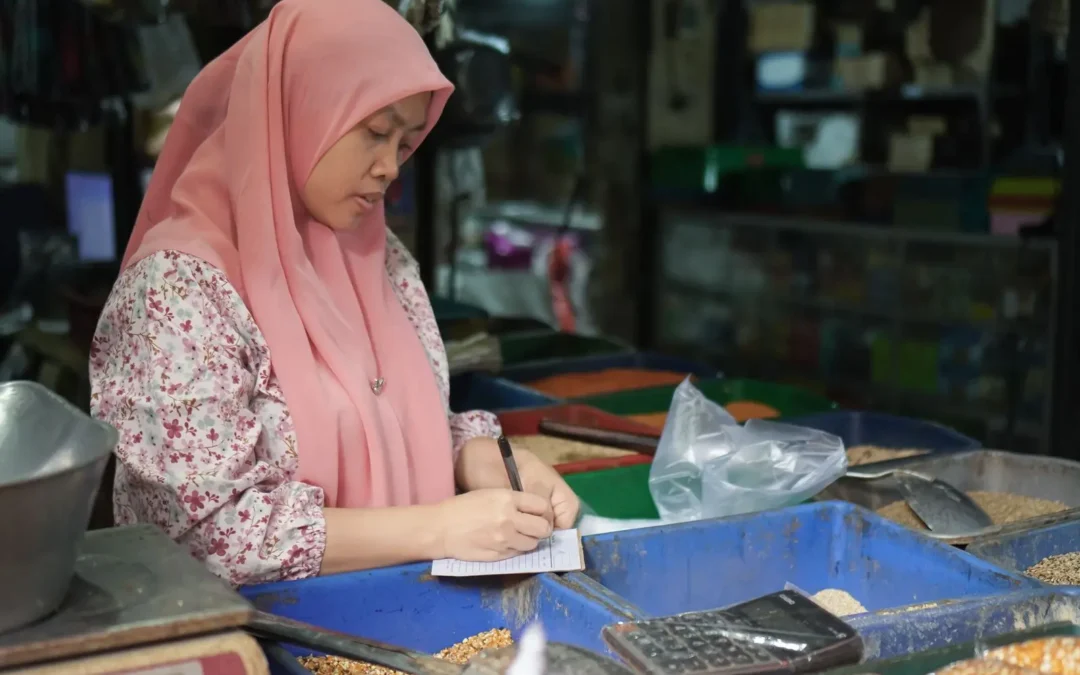
In Islamic law the burden of the household’s livelihood is not left on the woman’s shoulders. Maintenance — the responsibility of providing the family’s housing, food, clothing, and basic needs — belongs to the man.
Even if the woman is wealthy, she is not obliged to spend her own money on the household’s livelihood. She may work, earn, and inherit; but that wealth is her personal property. The larger share the man receives from inheritance is not a comfortable privilege placed in his own pocket; that share is directed to the needs of his wife, his children, and those he is obliged to care for.
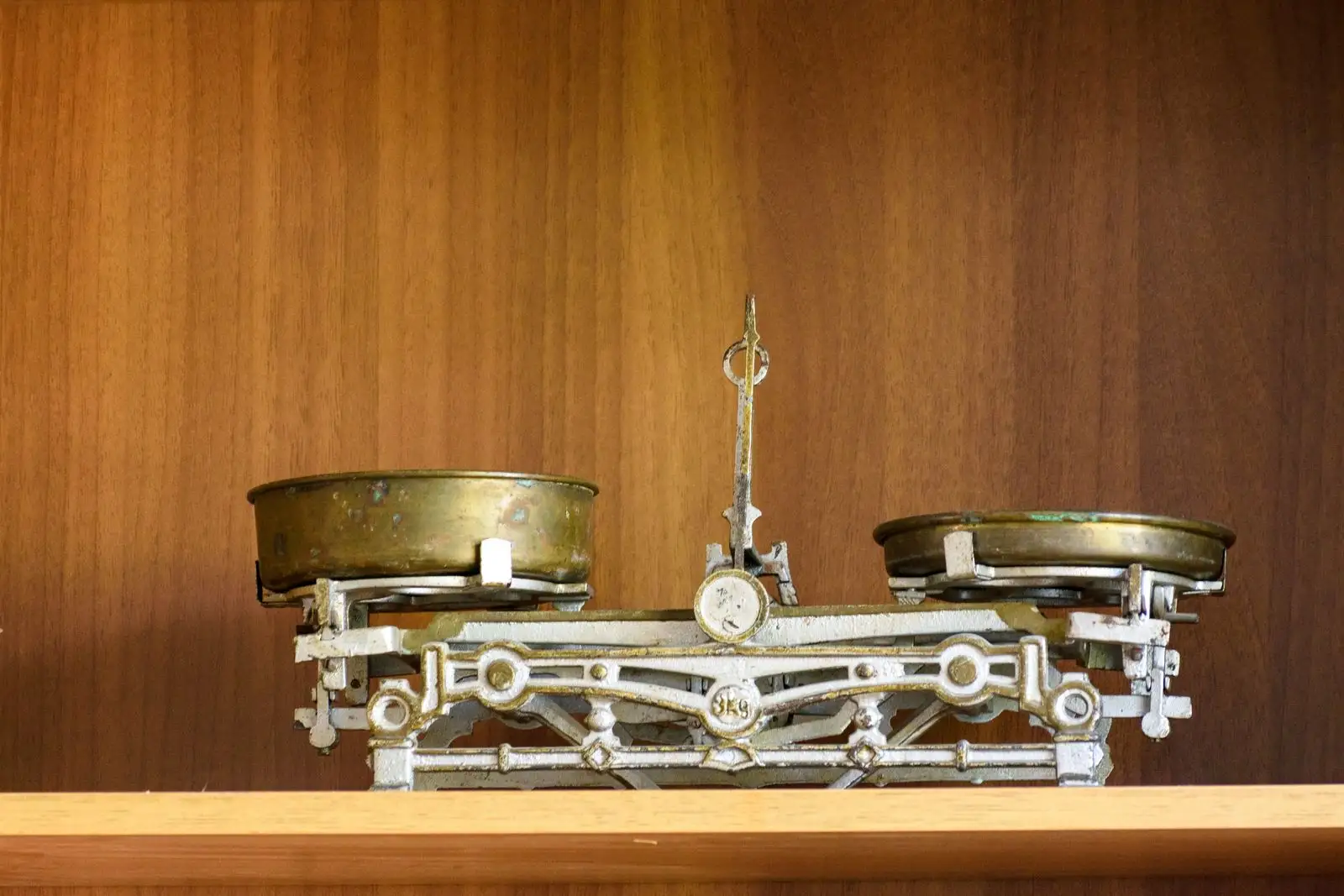
So what is essential here is not equality but equity. Just as two people who do not carry the same burden are not given the same economic responsibility, the same financial resource is not distributed in the same way.
The dower (mahr) and the woman’s personal property

In Islam it is obligatory for the man to give the woman a dower when marrying. This dower is not given to the father, the family, or the man’s control; it belongs directly to the woman. The woman has full disposal over the dower: she may spend it, keep it, or invest it. The man cannot touch this property without the woman’s consent.
When inheritance is added to this picture, the woman’s economic position is better understood: the woman takes a share of inheritance, receives a dower, keeps her earnings if she works, and is not obliged to bear the household’s livelihood. The man, even if he receives a larger share of inheritance, gives a dower when marrying, provides the family’s livelihood, and carries financial responsibility.
Qawwam: the financial burden the man carries
Islam holds the man responsible, as the family’s protector and provider (qawwam), for bearing the entire burden of livelihood. The larger share given to the man from inheritance is not a privilege but a balancing mechanism, designed so that the continuous maintenance debt and the heavy financial burden on his shoulders can be met.
The man’s burden is not limited to his own home either. Alongside the costs of housing, food, clothing, and health, caring for relatives in need and — historically — tribal mutual aid and blood-money (compensation) payments are also the man’s responsibility. Transferring more resources to the party with more responsibility and more obligatory spending is, in this picture, what justice requires.
Where do the two shares the man receives go?
The objection is often framed like this: “The man takes two, the woman takes one; so the man is more valuable.”
But according to Islam’s economic logic, the two shares the man receives are not entirely a field of personal consumption. With that share the man must support his family, meet the needs of his wife and children, and sustain the household’s living order. The one share the woman receives, however, can remain as the woman’s personal savings; she is not obliged to spend that share on the household.
So in the end the net capital that remains in the woman’s hand can often be greater than the man’s. Because while the man spends the larger share he receives on his responsibilities, the woman can preserve the share she receives.
Inheritance as a social security system
The Islamic inheritance system is not merely an individual sharing of money. It is at the same time a system that organizes social solidarity within the extended family. The circulation of wealth within the family, the protection of relatives in need (sister, mother, aunt), the woman not being left alone in the face of economic risks, and the man being able to fulfill his responsibilities are all parts of this system.
Seen from this angle, inheritance is not just the question “who received how much?” The real question is: “Who received what, what were they made responsible for, and where are they obliged to use the share they received?”
Today’s perspective
Today, because modern systems tend to read everything through an absolute mathematical equality, this ruling of Islam is often criticized. Yet Islam looks at matters holistically (kulli).
In a system that places the entire financial burden of the family, and the care of children and wife, on the man’s back, to split the inheritance exactly equally between woman and man would in fact be an injustice against the man. The worth given to a person is not measured by the property left to them; therefore the cases in which the woman is given half the man’s share in inheritance do not mean the woman is seen as lower or worthless. On the contrary, this system is a balance of justice and mercy that protects the woman in the face of economic hardship.
The three most common mistakes
The first mistake is to say “the woman is counted as half a human.” A share of inheritance is not a measure of human worth; this ruling is about financial responsibility, not ontological worth.
The second mistake is to think “the woman always receives half of the man.” According to the sources, there are many inheritance scenarios in the Qur’an in which the woman receives an equal or greater share; “two-to-one” holds only in certain cases.
The third mistake is to say “the man is privileged because he receives more.” This is an incomplete reading: the man is obliged to spend the larger share he receives on his family and obligations, while the woman’s share remains her own.
Summary
That in Islamic inheritance law the man is in some cases given two shares and the woman one does not mean the woman is worthless. This arrangement must be read together with maintenance, the dower, the family’s livelihood, and social responsibilities.
The woman, deprived of inheritance in the Age of Ignorance, became a holder of legal right with Islam. The man, meanwhile, carries more responsibility with the larger share he receives. The matter is understood not by a single sentence but by the whole system: here Islam takes as its basis not mathematical sameness but equity according to obligation.
The question is not: “Why did Islam give the woman a smaller share in inheritance?”
The real question is:
“When the family’s entire financial burden is placed on the man, how is wealth distributed with justice so as to protect the woman’s dignity and economic security?”
DuaMio Wisdom Series
Wonder. Understand. Live.
Coming soon
Listen to these topics in the app, track your progress.
In the DuaMio app you’ll listen to every topic — not to memorize, but to comprehend.
Image note: The images in this article are license-cleared stock images chosen to suit the subject. Each image’s source and license are noted in its media description.
Content note: This article was compiled with AI assistance based on reliable sources; Quran verses are quoted verbatim from the approved translation (Sahih International for English), and the article was reviewed editorially and for religious sensitivity before publication.