Discovery · Animals · Amphibians
Short Answer
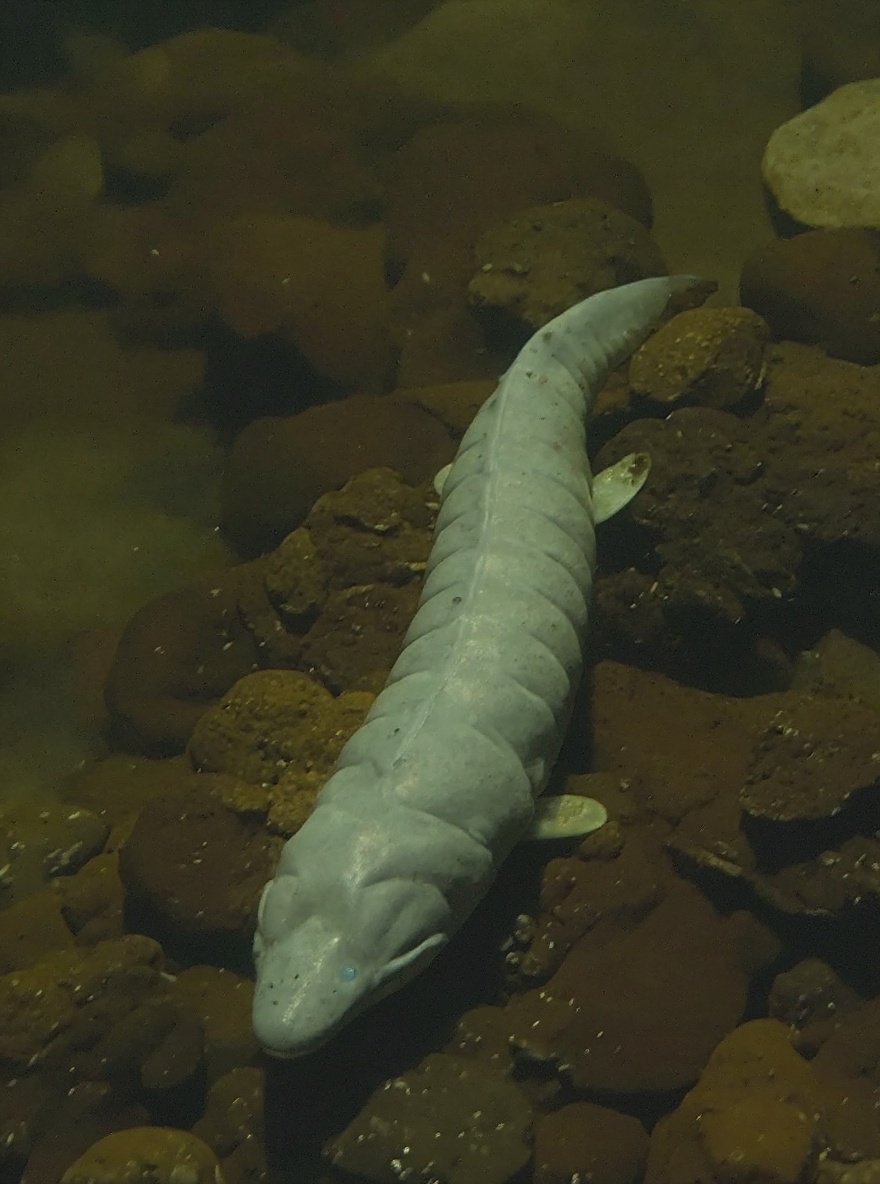
Caecilians are limbless amphibians that mostly live underground; from the outside they may resemble worms or snakes, but they belong to the amphibian group together with frogs and salamanders. Underground life is considered together with a strong digging head structure, distinctive musculoskeletal features, reduced vision, and increased importance of chemical and sensory perception. The sensory tentacle organ unique to caecilians is located between the eye and nostril, and is understood as a special sensory system that helps them perceive their surroundings in low-light soil environments. When sight becomes weak, the activation of other perception doors with such sensitivity invites reflection on the diversity of creation.
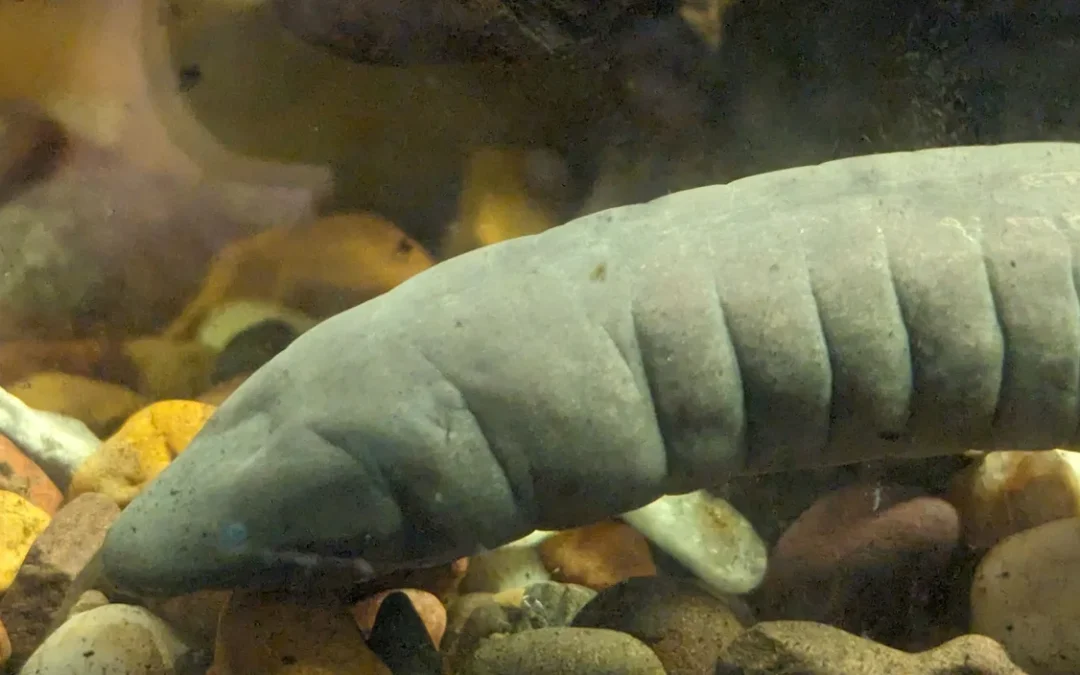
Real observation video: you can watch the caecilian’s real body form and movement pattern adapted to underground life.
What Are We Observing?
When people think of amphibians, frogs usually come first. With a little more thought, salamanders come to mind. Caecilians, however, are often forgotten. Yet they are among the most unusual members of the amphibian world. They have no limbs, many live underground, and their eyes may be small or functionally limited.
Their world is very different from ours. Inside soil, light is scarce, movement is difficult, and navigation cannot depend only on sight. That is why the caecilian body should be considered together: head, spine, muscles, inner ear, chemical perception, and the tentacle organ.
The Science
Studies in the Journal of Experimental Biology examine caecilian head shape, musculature, bite force, and vertebral morphology. Moving underground is not simply a matter of being long and thin. Head shape, muscle direction, the spine’s resistance to forces, and the way the body pushes through soil all matter.
A study in Nature on early caecilian fossils evaluates the historical context of musculoskeletal features associated with fossoriality, meaning a digging or underground lifestyle, in living caecilians. A genome study in Molecular Biology and Evolution examines traces of underground adaptation in relation to reduced vision and chemosensory tentacles.
The caecilian tentacle is especially striking. Located between the eye and nostril, this organ is understood in the context of receiving chemical information and helping orientation in environments with poor visibility. In other words, reduced sight does not mean perception is over. Perception shifts to other channels.
The “Wow” Moment
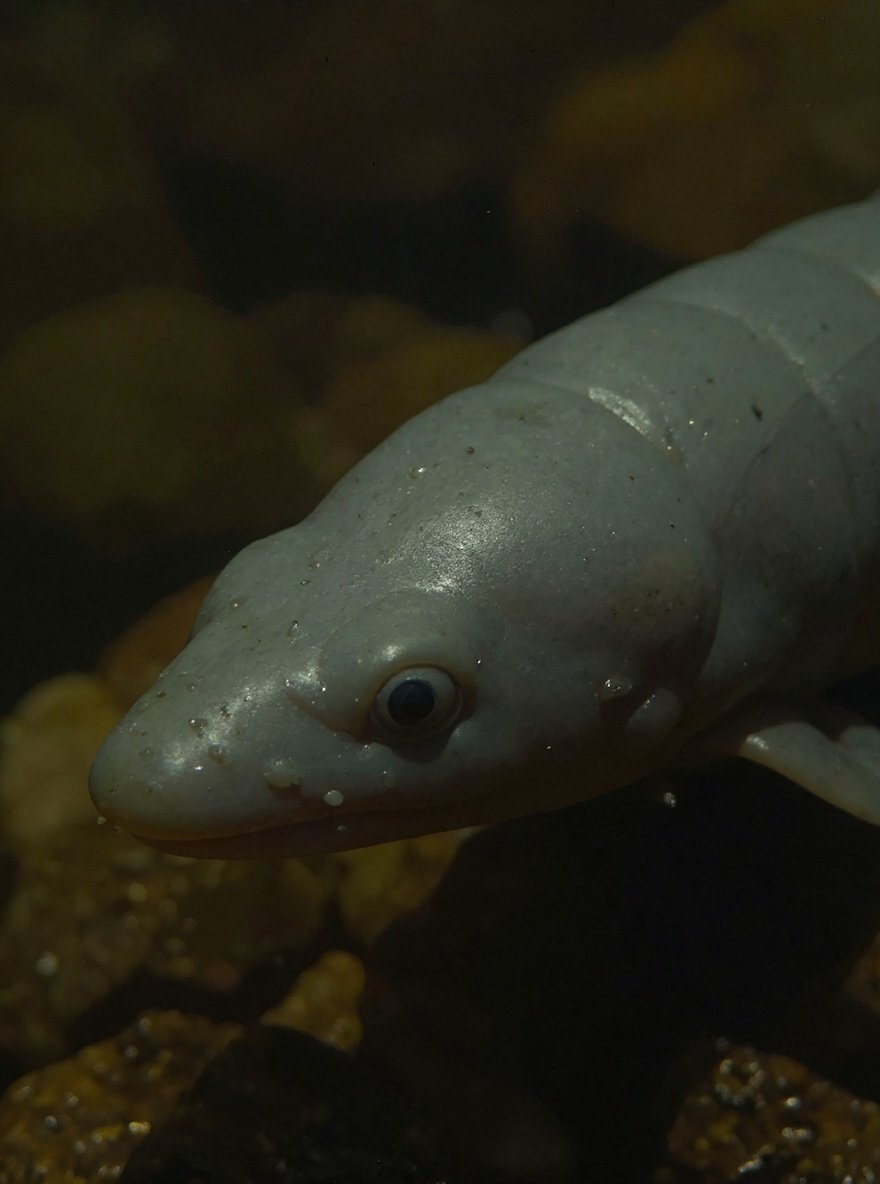
The wow point is this: when vision weakens, life does not end; other sensory doors come forward. In the caecilian’s world, light is limited, but the sensory and mechanical arrangements placed in its body form a whole suited for life underground.
Another impressive point is that this system is not a single part. The tentacle alone is not enough. The head alone is not enough. A long body alone is not enough. To move underground, head, spine, muscles, inner ear, and chemical perception must work together. The creature appears equipped with a body suited to the dark language of soil.
What Humans Learned
This subject’s strongest link to human technology is in the area of “Underground Sensors and Low-Visibility Navigation Systems”. However, geotechnical bioinspiration literature lists biological examples such as caecilian burrowing among sources of inspiration for soil penetration, tunnelling, and sensor deployment.
In human technology, placing sensors underground, passing pipes or cables, digging tunnels, navigating under rubble, and moving in low-visibility environments are major problems. Caecilians show the natural counterpart of these problems: moving in narrow spaces, sensing in limited visibility, body movement suited to soil, and head-structure harmony.
So the engineering lesson should be framed not as “copy the caecilian,” but as “notice which principles nature uses in systems that work underground.”
Up Close
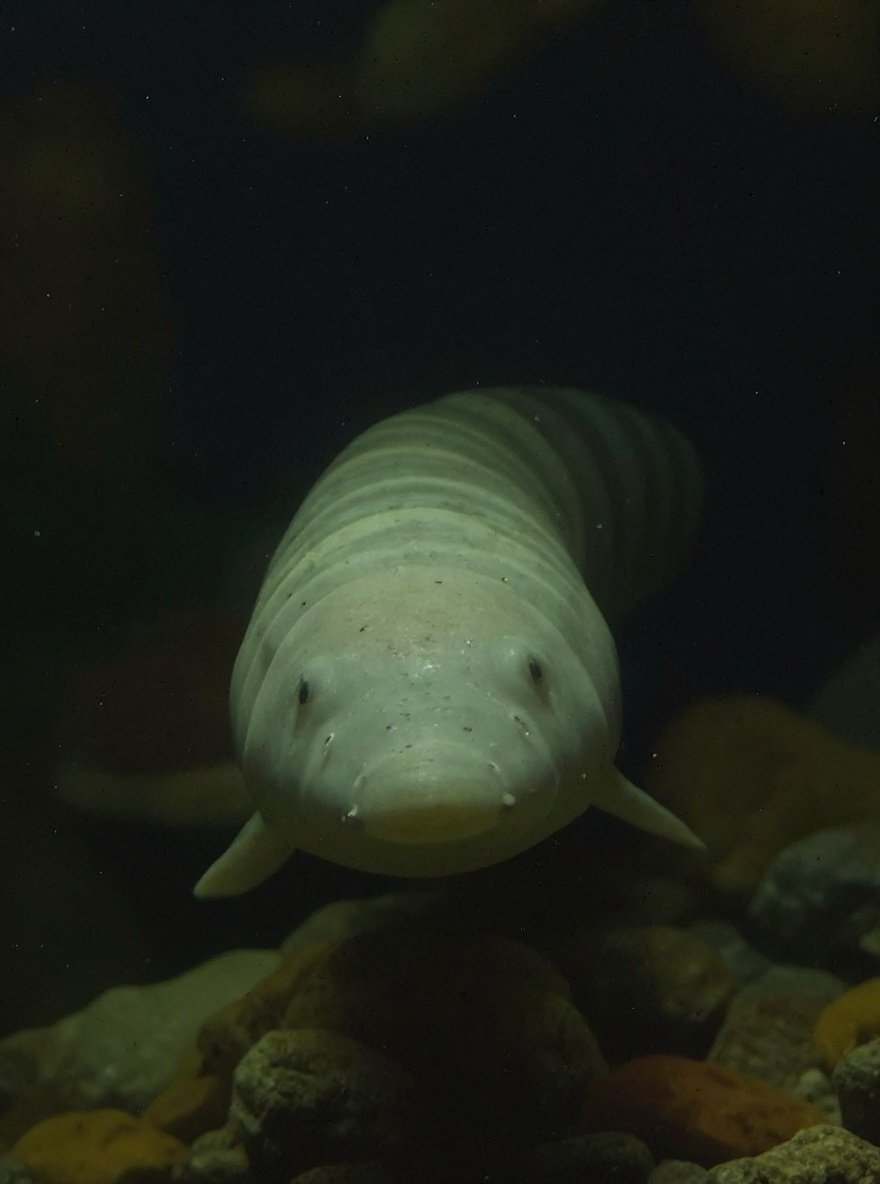
Imagine closing your eyes and trying to walk through a dark room. Suddenly sound, touch, smell, and memory become more important. In the caecilian’s world, this is not a temporary game; it is the living environment itself. Inside soil, light is nearly absent, so navigation has to be supported by other pathways.
The caecilian therefore shows us that sight is not the only door of perception. In creation, every creature is not equipped with the same tools. Doors are opened according to the environment in which a creature will live.
A Window for Reflection
The caecilian topic makes us think about unseen worlds. We often trust what our eyes see. We tend to dismiss what we do not see. But this underground amphibian reminds us that even in a world where sight is weak, perception and orientation can be possible in other ways.
This wonder should not be directed toward the caecilian “producing solutions,” but toward the created order given to it. Underground, in a dark world most people hardly notice, there is still measure. Allah’s creation is not visible only on sunny surfaces; it appears in delicate orders in the quiet depths of soil as well.
What It Tells Us Today
This topic tells us that our perception is limited. There are many things our eyes do not see; but this does not mean there is no order there. Science itself is often the effort to make the unseen visible: with microscopes, scanning, models, and careful attention.
The caecilian enriches the amphibian series because it breaks frog-centered thinking. For DuaMio Discovery, it carries a beautiful lesson: wonder in the universe is not only in bright and dazzling things, but also in hidden, quiet, little-known creatures under the soil.
Discover, marvel, remember the Creator.
Sources
- https://commons.wikimedia.org/wiki/File:Typhlonectes_natans_at_Brookfield_Zoo.jpg — Real source photograph used for the hero image (Wikimedia Commons).
- Lowie et al., 2022 — “The relationship between head shape, head musculature and bite force in caecilians”, Journal of Experimental Biology. JEB
- Lowie et al., 2022 — “Is vertebral shape variability in caecilians constrained by forces experienced during burrowing?”, Journal of Experimental Biology. JEB
- Kligman et al., 2023 — “Triassic stem caecilian supports dissorophoid origin of living amphibians”, Nature. Nature
- Ovchinnikov et al., 2023 — “Caecilian Genomes Reveal the Molecular Basis of Adaptation and Convergent Evolution of Limblessness in Snakes and Caecilians”, Molecular Biology and Evolution. Oxford Academic
- Maddin & Sherratt, 2014 — “Influence of fossoriality on inner ear morphology: insights from caecilian amphibians”. PMC
- Bio-inspired geotechnical engineering review, 2023 — geotechnical bio-inspiration, soil penetration and excavation strategies. ScienceDirect
Coming soon
Listen to these topics in the app, track your progress.
In the DuaMio app you’ll listen to every topic — not to memorize, but to comprehend.
Image note: The hero image of this article is a real source photograph. The three in-article images were generated with AI from that real reference to illustrate the subject more clearly.
Content note: This article was compiled with AI assistance based on reliable scientific sources and editorially reviewed before publication.