Discovery · Animals · Amphibians
Short Answer
The Iberian ribbed newt (Pleurodeles waltl) can enter a special defensive posture when threatened; its ribs angle outward and their sharp tips pierce through the skin on the sides of the body. This mechanical defense works together with deterrent skin secretions. Studies show that the species has different skin gland types, and that some granular glands are concentrated in regions presented toward an attacker. Seeing such an unusual protective arrangement in a fragile-looking body makes a careful observer pause and think.
Real observation video: you can watch the Iberian ribbed newt’s real body form and unusual defensive context in motion.
What Are We Observing?
A salamander using its ribs like defensive spines almost sounds like a story. But studies on Pleurodeles waltl show that this is a real antipredator mechanism. When a threat is perceived, body posture changes; rib tips are directed outward and pierce the skin wall.
This is sometimes described as the animal “hurting itself to hurt its enemy.” In Discovery language we should not turn the creature into a conscious strategist. The newt is not designing armor. A defensive order placed in its body works in a specific way under threat.
The Science
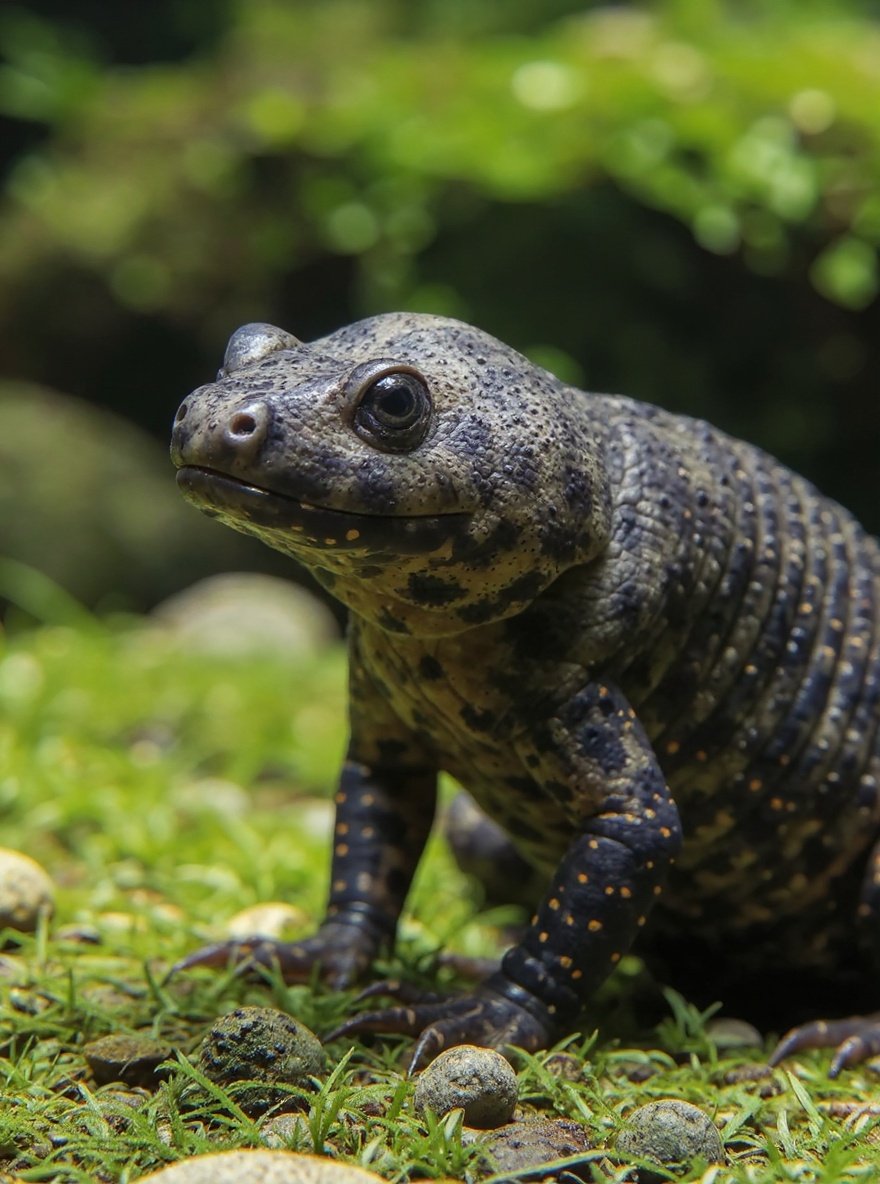
A Journal of Zoology study by Heiss and colleagues examined rib protrusion defense in the Iberian ribbed newt in detail. The mechanism is not simply that ribs come out through ready-made holes; the rib tips pierce the skin tissue. This makes the system mechanically and biologically striking.
A skin gland study by the same research group showed that the skin of Pleurodeles waltl includes mucus and granular gland types. In amphibians, granular glands are often associated with deterrent or toxic secretions. The study summarized in PubMed notes that these glands can be concentrated in some exposed areas.
A Journal of Experimental Biology news summary explains the mechanism simply: when threatened, the ribs move out through the body wall and function like sharp, toxin-associated spines. But the article should avoid dramatic “poison weapon” framing. The more accurate wording is: rib tips and skin secretions work together as a deterrent defense.
The “Wow” Moment
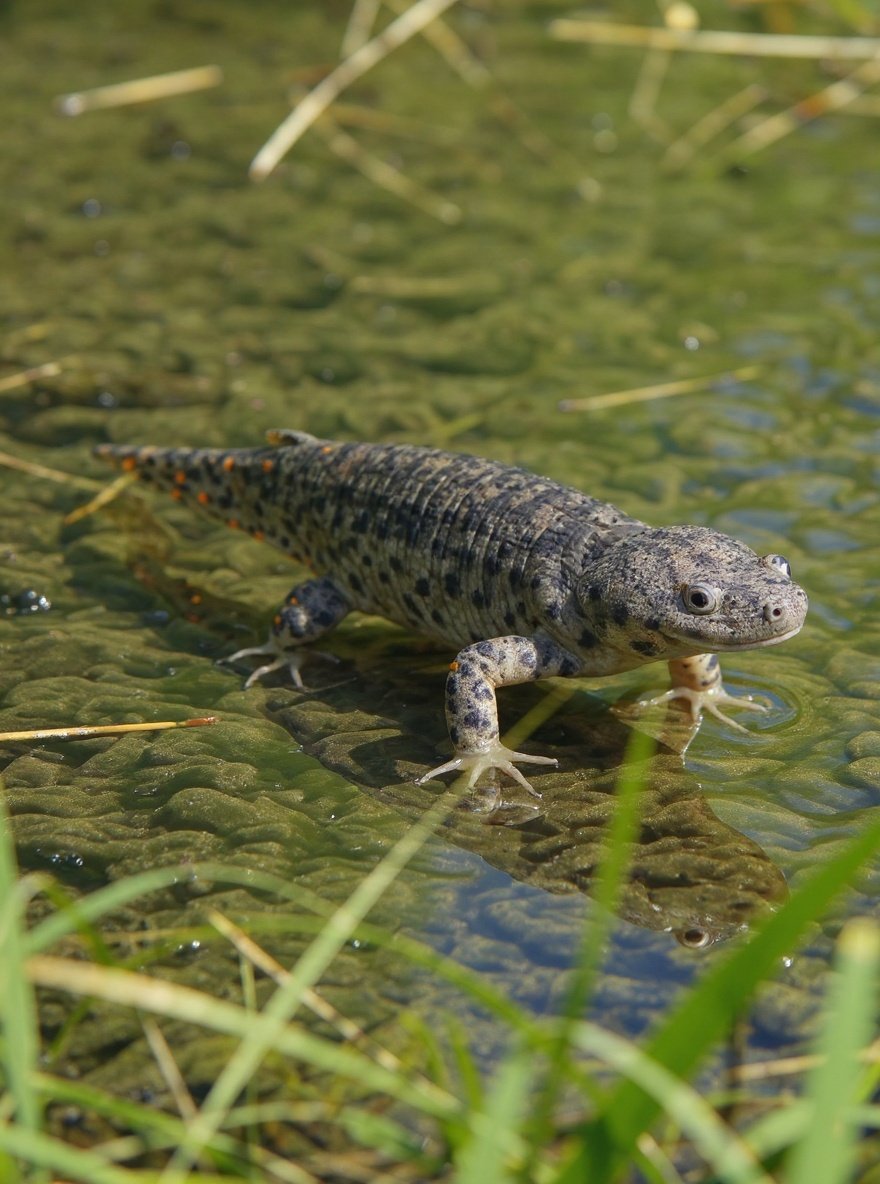
The impressive point is that the defense is not an external armor added from outside. The armor-like element is a bone structure hidden inside the body that can take on another role in a particular moment. Ribs that normally support the body become part of a defensive surface.
This shows how one structure can serve more than one context. The rib is not merely passive support; in this species it becomes part of the defense system. And the mechanical structure should be considered together with the chemical defense of the skin. Bone and skin, hardness and secretion, inner structure and outer contact meet in the same event.
What Humans Learned
The human technology connection is “Biological Defense Systems and Passive-Active Armor Mechanisms.” We should not claim that armor was directly produced from the Iberian ribbed newt. But the principle is strong: a protective structure that normally remains hidden can be exposed when needed.
In engineering, similar principles are considered in foldable armor, deployable barriers, impact-responsive protective materials, and flexible surfaces that resist puncture. Biological defense examples are not limited to thick shells or hard armor. Sometimes protection appears through the right geometry at the right moment.
The Iberian ribbed newt topic is especially valuable for showing the boundary between “active defense” and “passive structure.” The rib is already in the body; but under threat it takes on a different role.
Up Close
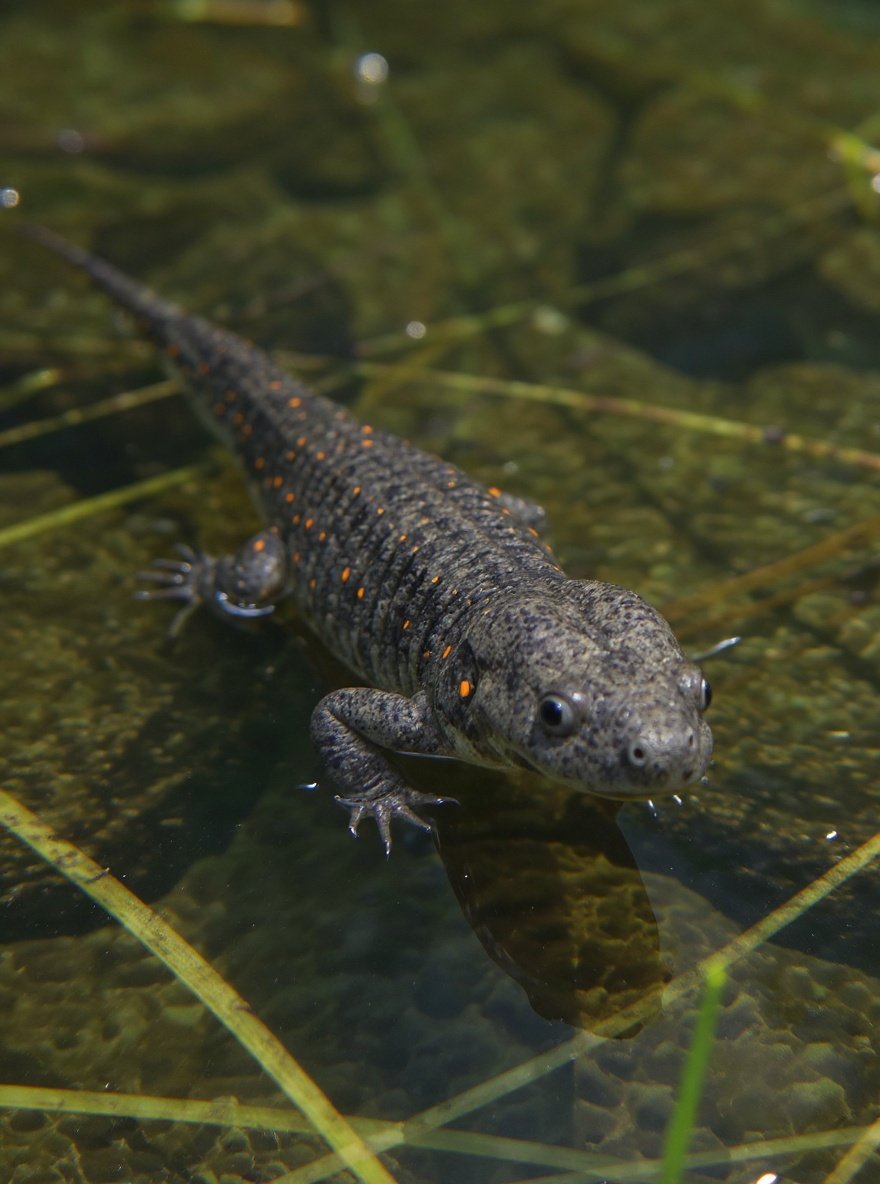
Think of a folding knife. Closed, it is small and safe; opened, its cutting edge appears. This analogy is not exact, because the newt does not consciously open a tool. But it helps explain the logic: the protective element is not always outside; it appears under specific conditions.
For such an arrangement to work in a body, many parts must fit together. Bone position, skin structure, gland location, and defensive posture must complement one another. If one part were mismatched, the system could become harmful or ineffective.
A Window for Reflection
This topic makes us think about weakness and protection. The newt is a dependent creature; when facing a larger predator, it cannot plan armor by intellect or manufacture a shield. Yet a defensive arrangement given to its body works in a deterrent way.
Wonder should be directed not at the newt’s “achievement,” but at the measured creation given to it. A rib that supports inside becomes part of protection outside. Skin is not only a covering; with its glands it becomes a protective layer. This fine harmony reminds us that in what Allah creates, wisdom can appear even in unexpected places.
What It Tells Us Today
The Iberian ribbed newt tells us that defense is not always visible hardness. Sometimes protection is an order hidden inside that appears at the right time. The same is true for people: knowledge, patience, character, and faith are often unseen, but they can hold a person upright in difficult moments.
Looking closely at nature is not only learning interesting features. It is noticing harmony, limits, and balance behind each system. DuaMio Discovery first explains the science carefully, then shows the calm reflection that knowledge can open.
Discover, marvel, remember the Creator.
Sources
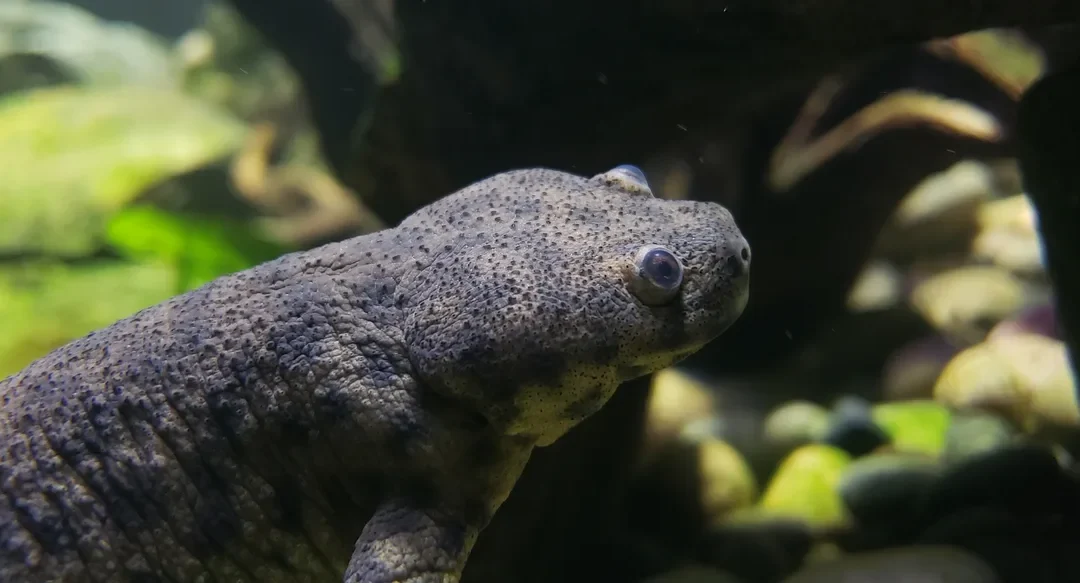
- https://commons.wikimedia.org/wiki/File:Iberian_ribbed_newt_(Pleurodeles_waltl)_at_the_California_Academy_of_Sciences_01.jpg — Real source photograph used for the hero image (Wikimedia Commons).
- Heiss et al., 2010 — “Hurt yourself to hurt your enemy”, Journal of Zoology. Wiley
- Heiss et al., 2009 — “Three types of cutaneous glands in the skin of the salamandrid Pleurodeles waltl“, Journal of Morphology. PubMed
- Journal of Experimental Biology, 2010 — “Newts use ribs as lethal weapons”. JEB
- Nature Lab Animal, 2014 — “Newts with superpowers”. Nature
- Freshwater Biology, 2023 — “Contextualising the bizarre”. Wiley
- Yassouf et al., 2025 — “Improved transcriptome assembly and functional annotation of Pleurodeles waltl for regeneration research”, PLOS ONE. PLOS ONE
Coming soon
Listen to these topics in the app, track your progress.
In the DuaMio app you’ll listen to every topic — not to memorize, but to comprehend.
Image note: The hero image of this article is a real source photograph. The three in-article images were generated with AI from that real reference to illustrate the subject more clearly.
Content note: This article was compiled with AI assistance based on reliable scientific sources and editorially reviewed before publication.