Discovery · Animals · Amphibians
Short Answer
In some frog species, eggs are not left directly in open water; they develop inside a protein-rich foam formed from secretions, water, and air. This foam helps embryos stay moist, reduces the risk of drying out, and keeps them in a temporary incubation micro-environment. In species such as the túngara frog, the foam is not just a pile of bubbles; because of protein and natural surfactant structures, it can form a stable, biocompatible, physically resilient environment. Seeing such careful protection around tiny eggs quietly invites reflection: even a fragile beginning is surrounded by environment, moisture, and timing brought together with measure.
Real observation video: you can watch how the foam nest surrounds the eggs and how this protective structure forms.
What Are We Observing?
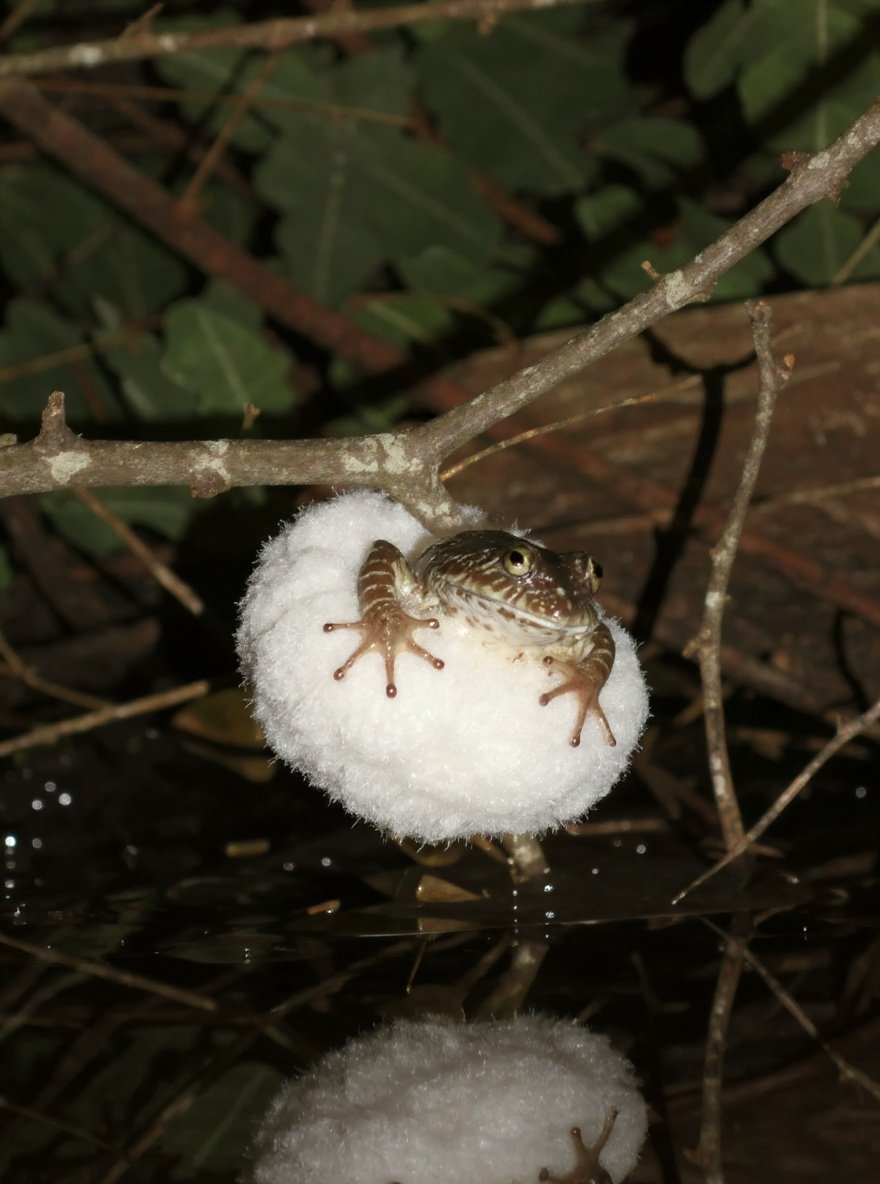
At the edge of a pond or on vegetation hanging over water, a foamy mass may look ordinary at first. For some frogs, however, that foam is like a temporary nursery where eggs develop. Instead of remaining exposed in the open, the eggs wait inside a structure that holds moisture and softens outside conditions.
The striking point is that this foam is not simply a wet mass of bubbles. Studies show that proteins and natural surface-active compounds play important roles in frog foam nests. This allows the foam to remain stable for a certain time, provide a moist environment for embryos, and in some cases form an outer layer that helps protect moisture inside.
The Science
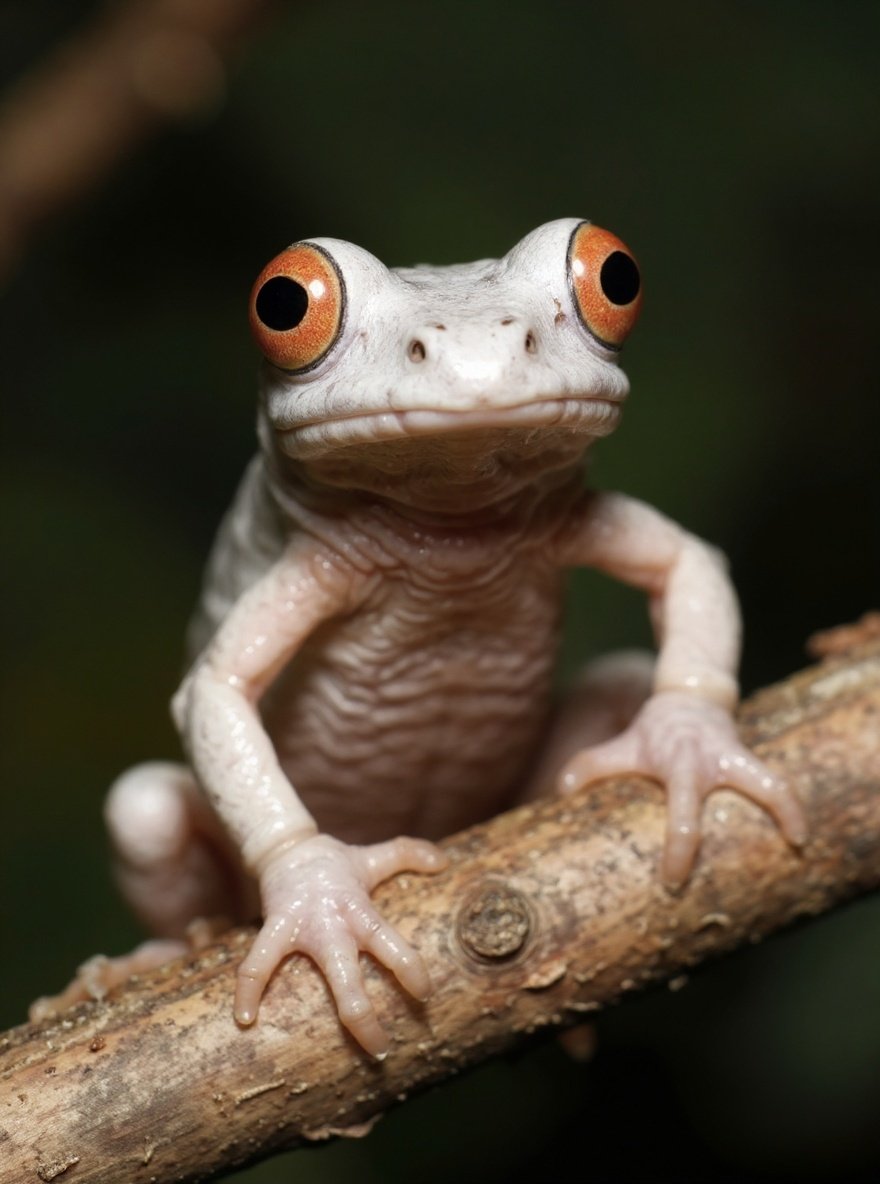
A broad review of anuran nests by Fischer explains that one of the main functions of foam nests is reducing the risk of drying. Because eggs are held in foam rather than directly exposed to air or open water, embryos are less exposed to desiccating conditions. The foam acts like a moisture-retaining micro-environment around them.
Studies on the túngara frog show that the foam forms through a particular mixture and construction process. Secretions, water, and air combine; movement mixes them; the result is not a momentary froth but a foam that can persist for a while. Work by Fleming and Kennedy connects the protein components of this foam with physical and biological resilience.
A Royal Society Open Science study by Brozio and colleagues shows that these natural foams can have pharmaceutical-foam-like properties. This does not mean “human pharmaceutical foams were directly taken from frogs.” But it does show that stable protein foams that do not harm sensitive cells exist in nature, making them interesting models for materials science and biocompatible carrier systems.
The “Wow” Moment
When we think of foam, we often imagine soap bubbles that burst quickly. In this system, however, foam behaves like a temporary home for eggs. It touches air, holds moisture, and surrounds embryos at the same time. Fragility and resilience meet in the same structure.
That is the impressive part: simple-looking foam requires fine balance. If it is too weak, it collapses. If it is too rigid, it may harm the developing embryo. If it is too dry, the egg is at risk. If it is too wet, the structure may break down. The foam has to be a temporary environment at just the right measure.
What Humans Learned
This subject’s strongest link to human technology is in the area of “Insulation Foam and Moisture-Protective Incubation Systems”. But the principle is inspiring.
In human technology, foams are used in insulation, drug delivery systems, wound dressings, packaging, and protecting sensitive surfaces. Frog foam nests remind us of three ideas in particular: a temporary structure that preserves moisture, a biocompatible material that does not harm sensitive living tissue, and a protective micro-environment built in a small volume.
So the topic should not be framed as “frogs taught us how to make foam,” but as “nature shows a strong example of how stable, biocompatible foams can carry delicate tasks.”
Up Close
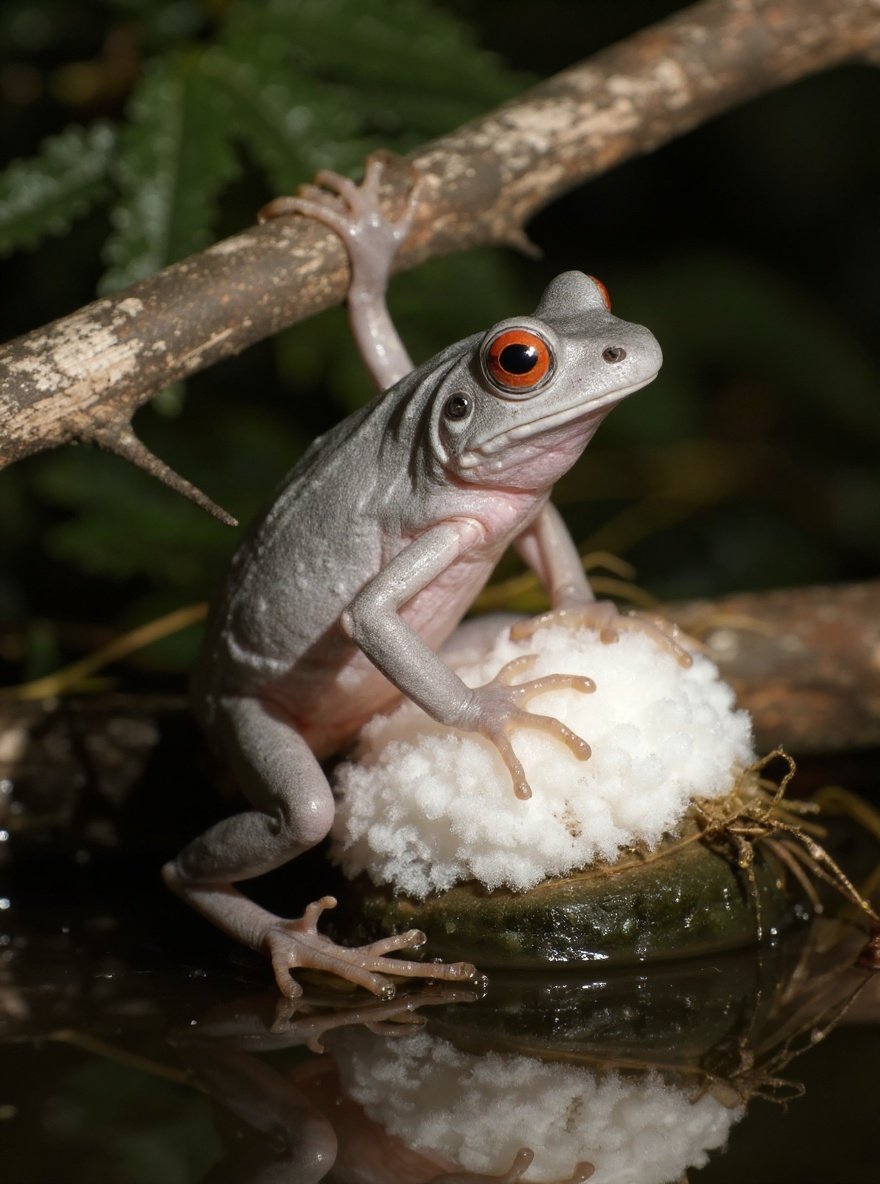
Imagine leaving an egg in open air. Heat, dryness, sunlight, and microorganisms can quickly affect it. Now imagine a soft foam around that egg that holds moisture, does not completely cut it off from air, and can remain stable for a certain time. The foam is not a hard wall; it is more like a temporary breathing blanket.
This comparison is not a perfect scientific match, but it explains the logic. Protection is not always hardness. Sometimes protection means wrapping something delicate without crushing it, keeping it from losing moisture, and holding it in the right environment until the time comes.
A Window for Reflection
The foam nest makes us think about how even very small and fragile beginnings are not left without support. An embryo cannot speak, defend itself, or choose its environment. Yet around it there is an order that balances moisture, air, and time.
The wonder here should not stop at the foam or the frog. The frog does not establish protein chemistry by its own knowledge or engineer embryo protection. The process works within the created order given to it. For a careful eye, this measure reminds us that Allah’s mercy and wisdom can be seen even in the most vulnerable moments of living things.
What It Tells Us Today
This topic tells us that protection is sometimes quiet and subtle, not dramatic. In life, some things are protected not by hard walls but by the right environment: knowledge, childhood, curiosity, faith, and trust. A wrong environment can weaken even something strong; a right environment can give a fragile beginning the chance to develop.
The foam nest is a small example that teaches careful seeing. Things that appear temporary in nature can be part of a very delicate task. DuaMio Discovery wants to help notice this: to keep the science sound while opening a calm door to reflection.
Discover, marvel, remember the Creator.
Sources
- https://commons.wikimedia.org/wiki/File:Chiromantis_xerampelina_252747582.jpg — Real source photograph used for the hero image (Wikimedia Commons).
- Fischer, 2023. Royal Society
- Dalgetty & Kennedy, 2010. PMC
- Fleming et al., 2009. PMC
- Brozio et al., 2021. Royal Society
- Cooper et al., 2017. ScienceDirect
- Vági et al., 2019. Royal Society
Coming soon
Listen to these topics in the app, track your progress.
In the DuaMio app you’ll listen to every topic — not to memorize, but to comprehend.
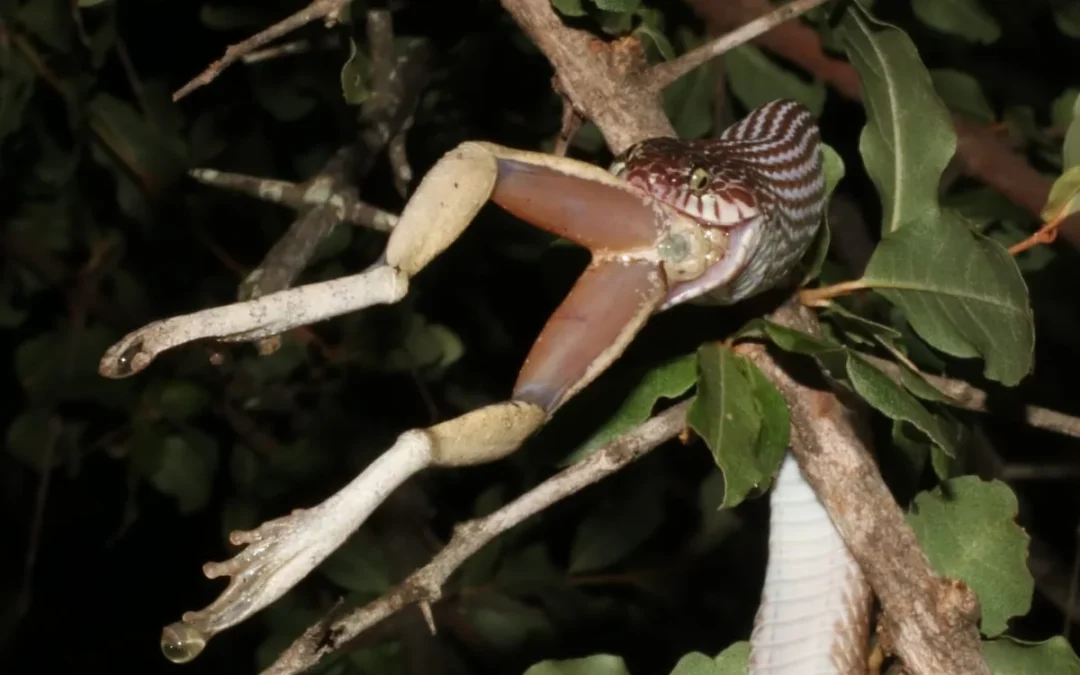
Image note: The hero image of this article is a real source photograph. The three in-article images were generated with AI from that real reference to illustrate the subject more clearly.
Content note: This article was compiled with AI assistance based on reliable scientific sources and editorially reviewed before publication.