Discovery · Animals · Birds
Short Answer
Vultures can feed on rotting carrion that could be dangerous for many living beings. Explaining this only with “very strong stomach acid” would be incomplete. Research shows that stomach acid may play the role of a selective filter, but the gut microbiome, phages, immunity, and other adaptations may also be important in this tolerance.
Vultures can withstand carrion microbes through a multi-layered protection/tolerance order at the level of the digestive system and microbiome. This subject opens a strong window of inspiration for thinking about medical waste sterilization and biosafety.
Real observation video (National Geographic): how vultures feed on carrion — and cope with it.
What Are We Observing?
Vultures perform a very important cleaning role in the ecosystem. By consuming the carcasses of dead animals, they participate in the nutrient cycle and may limit the longer spread of some disease agents in the environment. But this behavior brings a major question: why do the bacteria and toxins in decaying meat not easily make vultures sick?
In popular accounts, the answer is often simplified as “their stomach acids destroy everything.” But the scientific picture is more subtle. Stomach acid is important, but it does not explain the whole mechanism by itself.
The Science
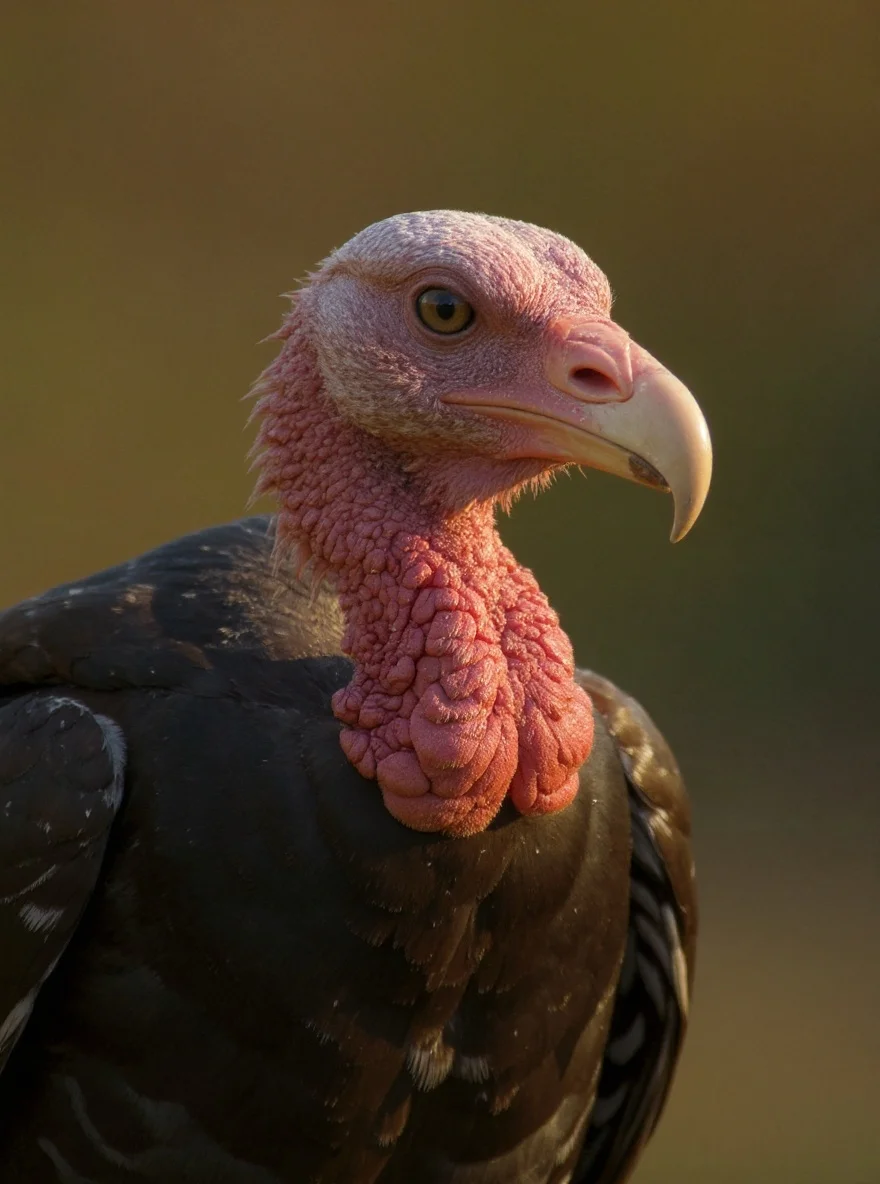
The Nature Communications study “The microbiome of New World vultures” shows the striking tolerance of vultures to bacterial toxins in decaying meat and that the digestive system creates a selective environment. In the study, while many different microorganisms were found on facial skin, lower diversity and dominance of certain bacterial groups stood out in the gut.
An Acta Veterinaria Scandinavica study examines the facial and gut microbiomes of black vultures and turkey vultures, discussing microbial genes, phages, and potential defense mechanisms that may play a protective role. The same study states that stomach acid should not be seen as a perfect filter that blocks all pathogens on its own; although it plays a general selective role, other mechanisms are also involved.
The “Wow” Moment
The “wow” point is this: the vulture’s digestive system does not work only like an “acidic container.” Inside it, chemical conditions, microorganisms, immunity, and selection pressures must be considered together. A food source full of microbes that could be dangerous for most living beings becomes manageable for the vulture in a different biological context.
This shows that even the cleaning role in nature requires special equipment. Removing carrion may look like a simple task; behind it there is serious microbiology and digestive harmony.
Inspired by Nature
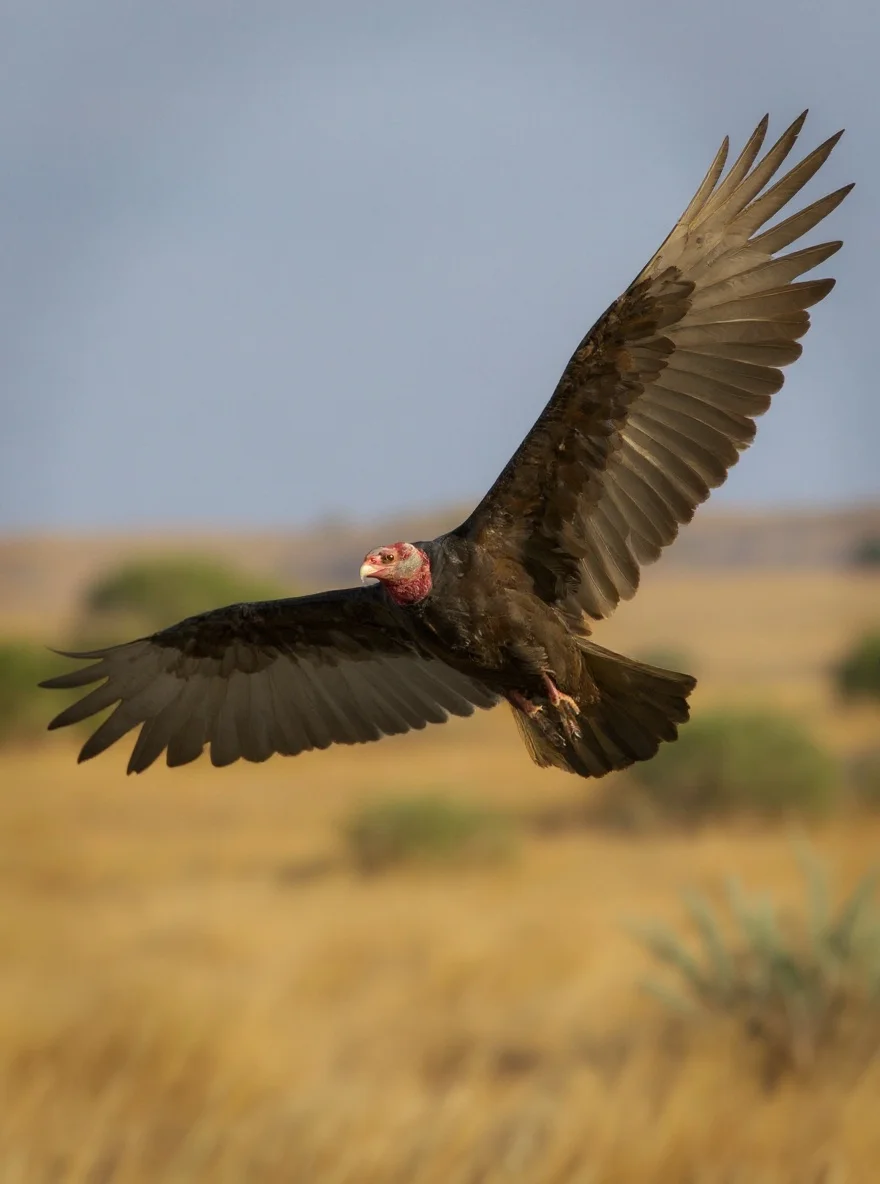
This subject connects at the principle level with medical waste disposal, sterilization, and biosafety systems. In human technology, heat, chemical treatment, filtration, closed systems, and multi-stage safety protocols are used to neutralize dangerous biological materials.
The vulture digestive system also recalls the idea of multi-layered control rather than a single stage. Stomach acid, microbiome, phages, and immunity are considered together. This shows that dealing with a “dangerous biological load” is often possible not through one method, but through complementary layers.
Up Close
Think of how dangerous waste in a hospital is not thrown away casually. First it is separated, placed into closed containers, and passed through sterilization or special disposal processes. Because risk cannot be managed from one point; stages are needed.
There is a similar way of thinking in the vulture example. Microbes in carrion first contact the mouth and face area, then pass through the digestive tract. At each stage, different conditions and different biological interactions come into play.
A Window for Reflection
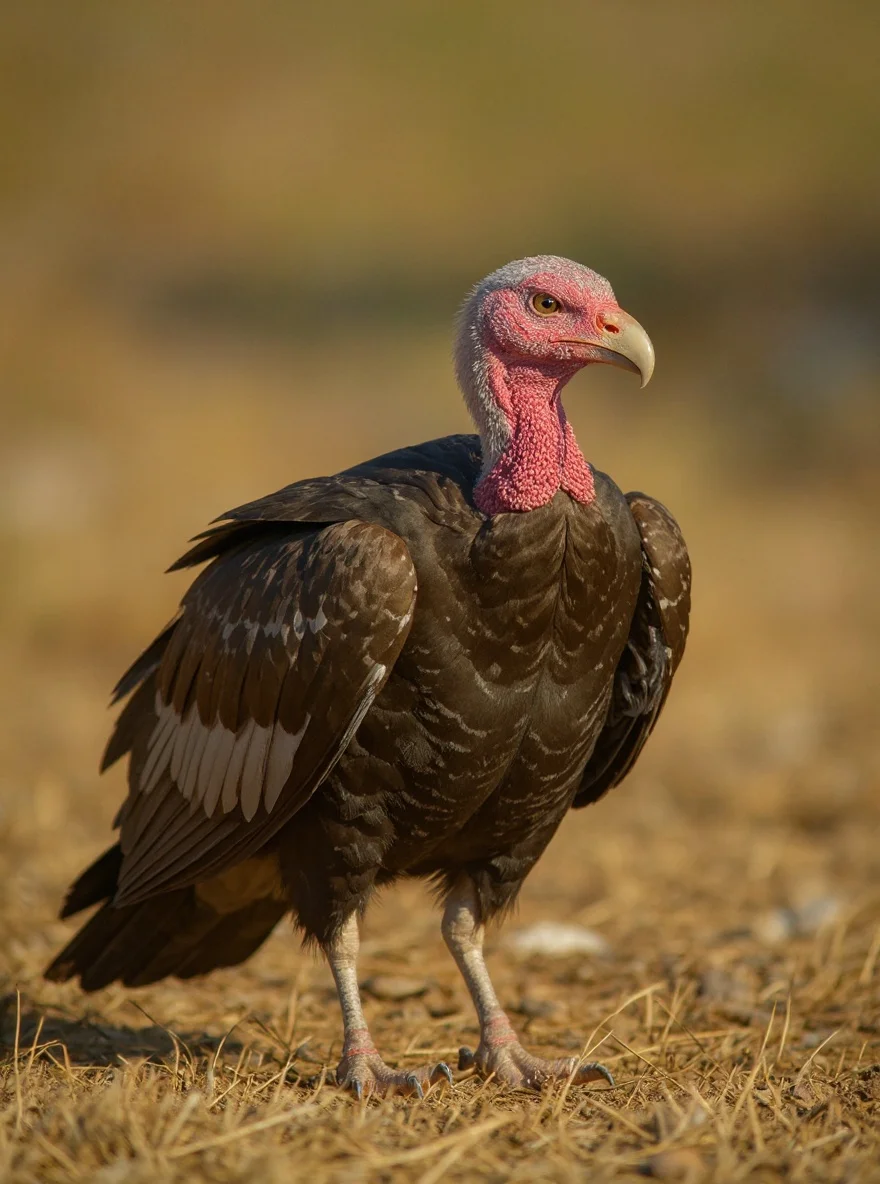
The vulture is not at the top of most people’s beauty list. But its role in the ecosystem is very valuable. Sometimes a living being we do not like carries an important cleaning role in the created order. This gaze helps a person move beyond aesthetic judgments and think about wisdom.
Wonder is not directed toward giving the vulture independent power, but toward reflecting on Allah’s creation, who gave it this digestive and tolerance order. Even in the cleaning of a rotting carcass, mercy, balance, and ecological order can be seen.
What It Tells Us Today
This subject teaches us not to judge by appearance. The vulture may look unsettling at first glance, but the work it does is important for the ecosystem. Scientifically too, its digestive system is a deep field of research in terms of microbiome and biosafety.
For a young reader, the message is clear: even things passed over as “unimportant” or “ugly” in nature can be part of a great order. Looking carefully also teaches us to value.
DuaMio Discovery aims to look carefully not only at cute and bright living beings, but also at difficult-looking subjects. The vulture’s digestive system opens a surprising window for thinking about cleanliness, balance, and protection in creation.
Discover, marvel, remember the Creator.
Sources
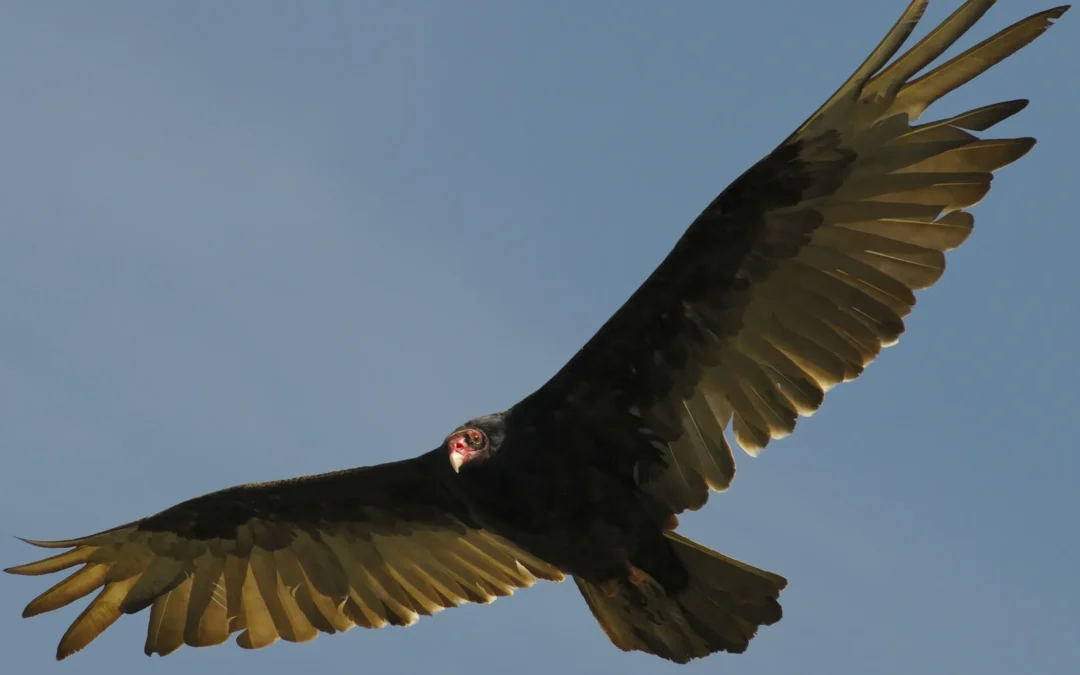
- Hero image source: File:Turkey Vulture (7172188840).jpg
- https://www.nature.com/articles/ncomms6498 — The microbiome of New World vultures and tolerance to carrion bacteria.
- https://link.springer.com/article/10.1186/s13028-018-0415-3 — Vulture facial/gut microbiomes and scavenging adaptations.
- https://pubmed.ncbi.nlm.nih.gov/30309375/ — PubMed record of the same Acta Veterinaria Scandinavica study.
- https://insider.si.edu/2014/11/vultures-remarkably-tolerant-to-deadly-bacteria-study-reveals/ — Smithsonian explanation and summary of strong chemical environment/microbiome.
Coming soon
Listen to these topics in the app, track your progress.
In the DuaMio app you’ll listen to every topic — not to memorize, but to comprehend.
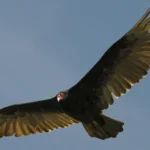
Image note: The hero image of this article is a real source photograph; source here. The three in-article images were generated with AI from that real reference to illustrate the subject more clearly.
Content note: This article was compiled with AI assistance based on reliable scientific sources and editorially reviewed before publication.